

Commercial water dispensers
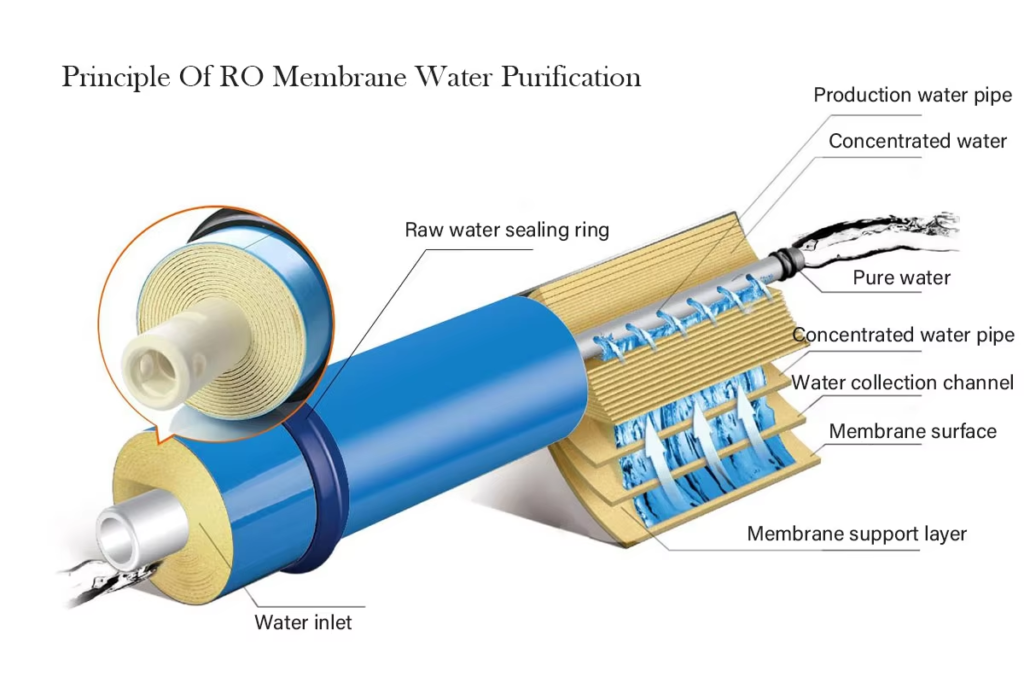
A commercial water dispenser is a heavy-duty appliance designed to provide convenient, safe, and reliable drinking water in businesses and public spaces, typically offering both hot and cold water on demand.Recommendation: For most businesses with 20 or more employees and suitable plumbing locations, a tankless floor-standing POU water dispenser equipped with an RO filtration system, stainless steel tank, and ENERGY Star certification offers the best balance in terms of quality, cost, and convenience.
Main Types of Commercial Water Dispensers
Commercial dispensers are primarily categorized by their water source and installation type.
| Type | How It Works | Key Features | Best For |
|---|---|---|---|
| Bottled Water Cooler | Uses a large top-mounted bottle (5-gallon/19L). Gravity feeds water into the system. | Simple & low upfront cost. Requires bottle storage, lifting, and ongoing delivery. | Low-to-mid volume: small offices (10-20 people), reception areas, waiting rooms. |
| Point-of-Use (POU) Bottleless Cooler | Plumbed directly into the building’s main water line. Has built-in filtration (RO, carbon, UF). | Unlimited water, no bottles. Higher upfront cost, requires professional installation & filter changes. | High-volume: medium/large offices (25+ people), schools, gyms, factories. |
| Countertop Model | Compact, sits on a counter. Can be bottled or bottleless (with a direct-connect kit). | Space-saving. Smaller tank capacity. | Spaces with limited floor space: break rooms, cafes, clinics. |
| Floor-Standing Model | Standard full-size unit. Can be bottled or bottleless. | Higher capacity & stability. Takes up floor space. | General office use, common areas. |
| Chiller-Only Unit | Provides cold and ambient water only (no heating element). | Lower energy use & cost. | Environments where hot water isn’t needed: gyms, workshops. |
Laboratory Water Grades & Standards
Internationally recognized standards (ASTM, CLSI, ISO) define three primary types of laboratory water, which form the basis for system selection.
| Grade | Name | Resistivity (25°C) | Total Organic Carbon (TOC) | Microorganisms (CFU/mL) | Key Applications |
|---|---|---|---|---|---|
| Type III | Primary Grade | >0.05 MΩ·cm | <200 ppb | <1000 | Glassware rinsing, water baths, feed for higher-grade systems |
| Type II | Pure Grade | >1 MΩ·cm | <50 ppb | <100 | General reagent prep, buffer solutions, clinical analyzers |
| Type I | Ultrapure Grade | >18 MΩ·cm | <10 ppb | <1 | HPLC, ICP-MS, GC-MS, cell culture, molecular biology |