| Bottled Water Cooler | Uses large bottles (e.g., 5-gallon/18.9L), typically with cooling/heating. | Very low upfront cost, simple setup, highly portable. | High long-term cost (ongoing water purchase/rental), handling, storage, and bottle management hassles, water quality depends on supplier. | Small offices (<15 people), temporary spaces. |
| Point-of-Use (POU) Bottleless Cooler | Plumbed directly into municipal supply. Has built-in multi-stage filtration (e.g., sediment, carbon, UF membrane), instant heating/cooling. | No bottles, no recontamination risk, unlimited water supply, integrated and aesthetic design. | Limited ability to treat complex water (high hardness/TDS), does not reduce dissolved solids. | Mid-size offices (15-50 people), areas with good municipal water. |
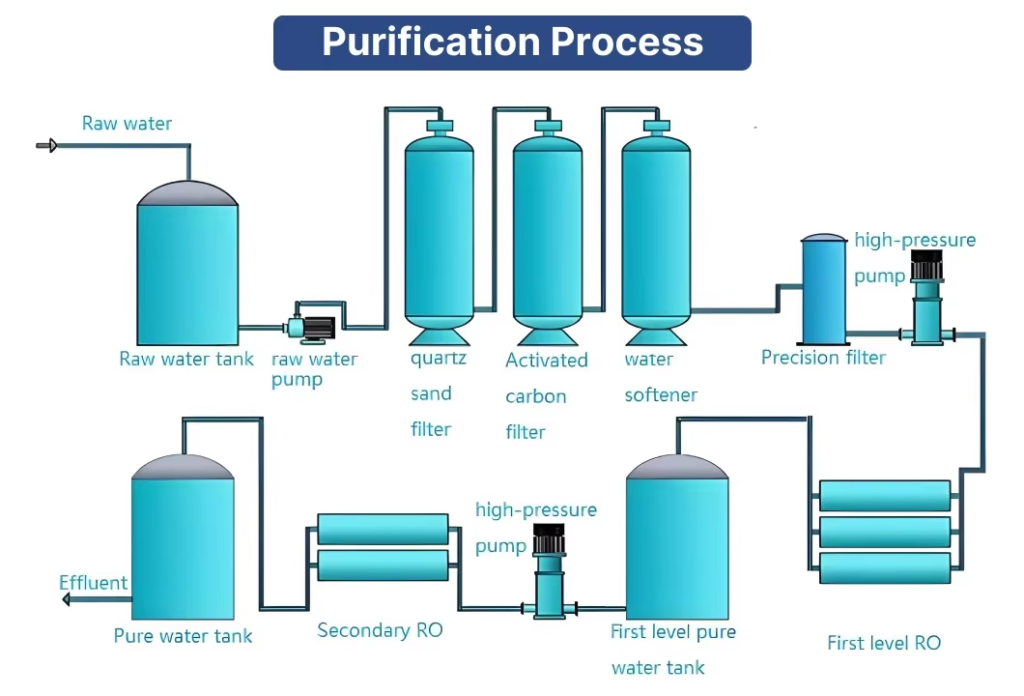
| Reverse Osmosis (RO) Commercial System | Plumbed to supply, uses an RO membrane for purification. Often has a large storage tank and separate hot water unit. | Best water quality (pure taste, drinkable), handles various complex water sources (high TDS/hardness). | Higher upfront investment, produces wastewater, larger footprint, requires periodic membrane/filter changes. | Medium to large offices (>50 people), high water quality demands (e.g., for premium coffee/tea). |
| Central Treatment + Endpoint Dispensers | Central softener/filter at main inlet treats all building water. Connected instant-hot or chilled dispensers are installed at endpoints. | Provides softened/filtered water to entire office (restrooms, kitchen). Superior endpoint experience, highest overall quality. | Most complex system, highest upfront cost, requires professional design/installation, ideal for new builds/renovations. |